


Patient Stories
Troubling encounters with our healthcare system are all too common. Every day, patients and their families struggle to access needed care, leaving them depleted from battling illness and a system that fails to put their needs first. Patients who make it through the administrative labyrinth often face unexpected, burdensome bills that drain resources as well as people’s energy. The stories below illustrate these challenges. As patients, we must come together, learn from one another, and demand change.

Unmanageable Costs
Cost is the leading source of patient anxiety about healthcare. Premiums, deductibles, and out-of-pocket expenses continue to rise faster than wages, while medical debt burdens tens of millions of Americans and forces many to cut back on basic needs.
Cancer Affordability: American Cancer Society
This story highlights affordability barriers that prevent many women, especially in low-income and minority communities from accessing essential cancer screenings and follow-up care. Even when free screenings are available, financial strain, logistical challenges, and fear of costs limit access, making grant-funded support critical to improving equitable care and health outcomes.
Delayed and Denied Care
Patients and clinicians face tens of millions of prior authorization requests each year, with delays increasingly driven by automated and opaque processes. Necessary care is postponed or never delivered at all.
NBC – Denial of care by insurers despite blatant need
. Thirteen-year-old Paxton Pope, who has a rare seizure disorder, was twice denied coverage for an expensive medication his doctor said could significantly reduce his seizures. After requesting an external review, a North Carolina state panel overturned the insurer’s decision, allowing him to receive the drug.
NBC Kaiser Family Foundation Health News Denial of care story

Access to Primary and Specialty Care
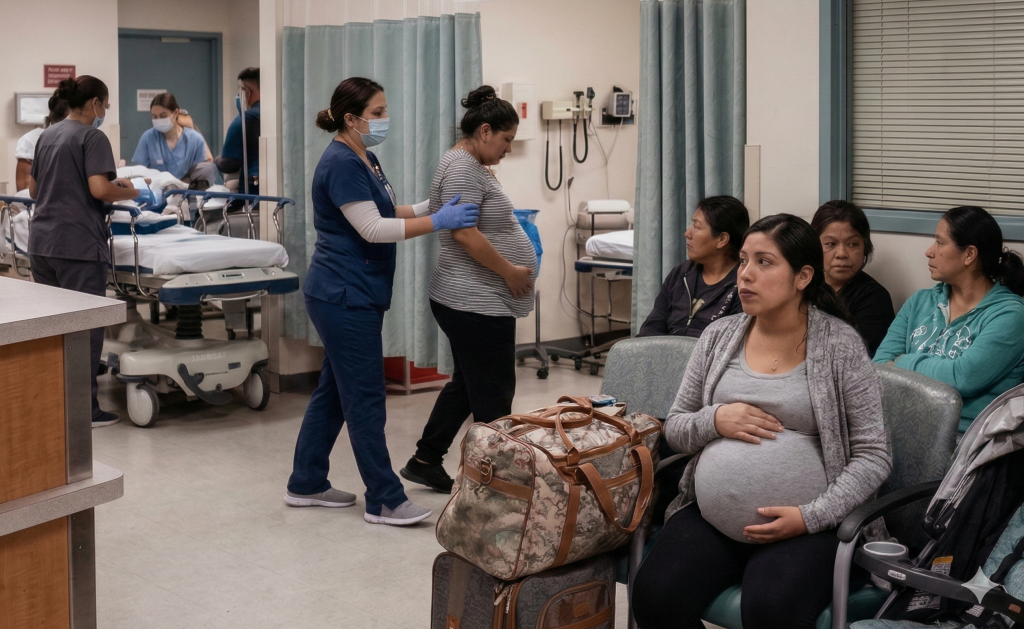
Access to primary and specialty care is deteriorating. Provider shortages, inaccurate networks, and service closures—such as hospital obstetrics units—leave many communities without access to timely care.
The Guardian: As LA maternity wards close, patients are giving birth in ERs
This report describes how multiple maternity wards in Los Angeles County have shut down in recent years, forcing many pregnant people especially in Latino and low-income communities to give birth in emergency rooms and travel long distances for care. With at least five closures since 2023, the resulting strain on remaining hospitals highlights how gaps in obstetric services reduce access to prenatal and delivery care and exacerbate healthcare disparities.
Fragmented Care
Patients are routinely left to coordinate their own care across disconnected providers and systems. Poor interoperability means repeating histories, chasing records, and navigating treatment alone.
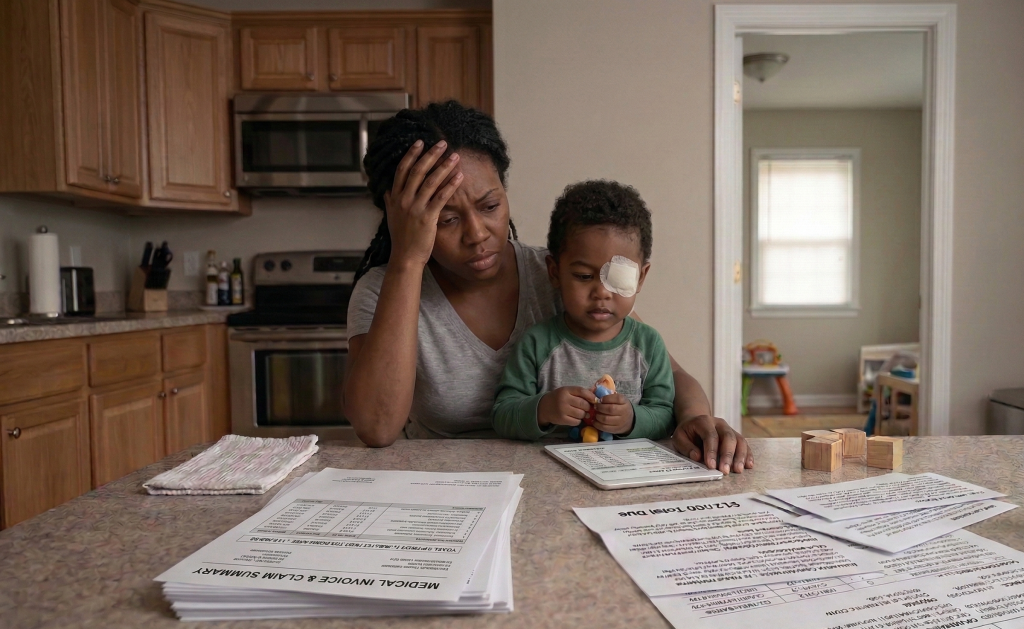
Kaiser Family Foundation: An Insurer Agreed To Cover Her Surgery, A kindergartner’s medically necessary eye surgery was pre-approved by her insurer, yet her family was billed over $13,000 after insurers and providers processed the claim inconsistently. The case highlights how fragmented systems force patients to navigate billing disputes and coordinate between insurers and providers on their own

Lack of Transparency
Even as patients shoulder more costs, they are expected to make decisions without clear information about price, quality, or coverage.
Patient Rights Advocate: The Costs of Lifelong Care – The Brysons’ youngest son, Carter, was born with a severe congenital heart condition requiring multiple surgeries, with more procedures and a future transplant expected. Despite having employer-sponsored insurance, the family faces a $9,000 deductible and constant uncertainty about undisclosed treatment costs, raising concerns about affording his lifelong care.